

Rope Access Building Inspections & Façade Surveys in London
City Rope Access Building Surveying Services
City Rope Access provides close-up building inspections and façade surveys
for commercial, residential and high-rise properties across London.
Our rope access technicians can reach external areas that are difficult to assess
from ground level or using conventional access methods.
Inspections can focus on visible defects affecting façades, masonry, concrete,
sealant joints, cladding, parapets, roof edges and other high-level external
building elements.
Photographic documentation can help property managers understand the condition
of difficult-to-access areas, identify visible deterioration and plan appropriate
maintenance or further specialist investigation where required.
Our service is focused on access, close-up visual inspection and defect
documentation. Where a structural, chartered surveying or other specialist
assessment is required, the findings can support the relevant qualified professional.
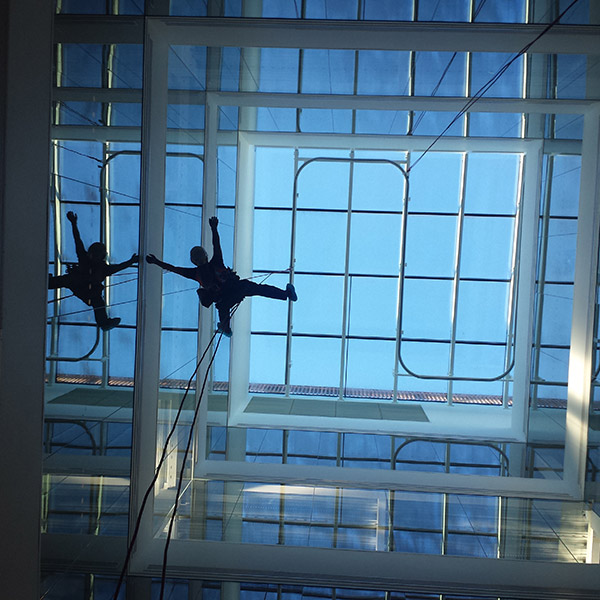
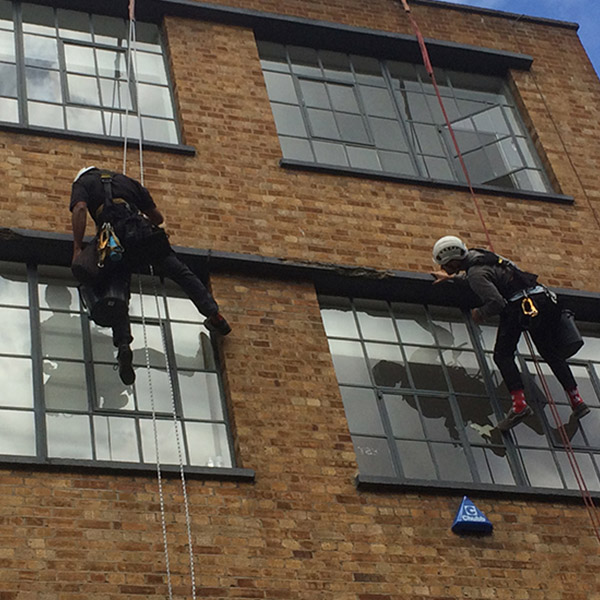
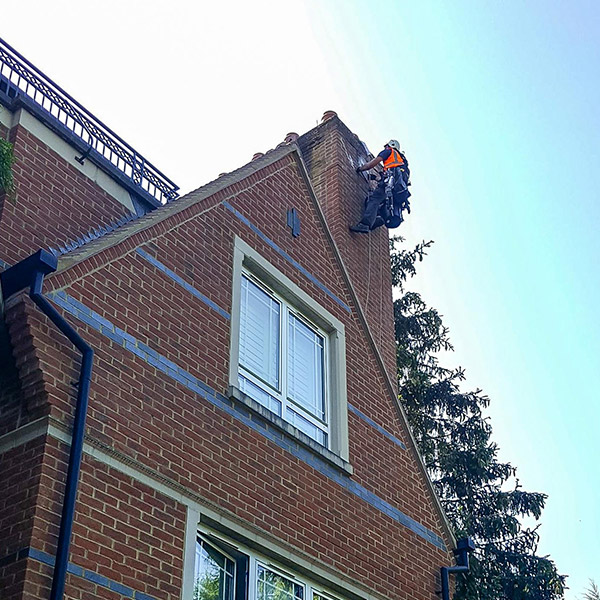

What Can You Expect from City Rope Access?
So, what’s in it for you? When you choose City Rope Access, you’re not just getting a standard building survey—you’re getting a comprehensive, expert evaluation. Our chartered surveyors are not only highly skilled but also use the latest tools and techniques to ensure a meticulous check-up of your property. Here’s a closer look at what we cover:
- The Façade: We thoroughly inspect the exterior of your building to identify any signs of wear and tear or potential hazards that could affect its appearance and structural integrity.
- Structural Components: Our team examines critical elements like load-bearing walls, beams, and columns to ensure they’re strong and stable, safeguarding against any structural weaknesses.
- Roofing: We assess your roof for leaks, damage, and signs of deterioration that could lead to more significant issues if not addressed promptly.
- Electrical Systems: We verify that all electrical components are up to code and functioning safely, reducing the risk of electrical faults and ensuring compliance with safety standards.
- Plumbing: Our inspection includes checking for any leaks, corrosion, or plumbing issues that could cause problems or require immediate attention.
We don’t just provide you with a list of issues; our detailed reports include actionable insights and recommendations on the next steps. This ensures you have a clear understanding of your property’s condition and can make informed decisions about necessary repairs or maintenance.
What Can We Inspect Using Rope Access?
Rope access can provide close visual access to external building elements
that may be difficult to assess properly from ground level.
The inspection scope can be focused on specific reported defects or form
part of a wider review of high-level areas.
Façades & Masonry
Close-up visual inspection of brickwork, stone, render, pointing,
cracking and other visible façade defects.
Concrete Elements
Identification of visible cracking, spalling, rust staining,
loose material and exposed reinforcement where accessible.
Sealant Joints
Visual checks of window perimeter sealants, movement joints
and other external joints for cracking, separation or deterioration.
Cladding & Interfaces
Close-up review of visible panel defects, joints, seals
and interfaces around windows or façade penetrations.
Parapets & Roof Edges
Inspection of coping details, masonry, joints, flashings
and other visible defects around high-level building edges.
Difficult-to-Access Defects
Targeted close-up inspection where a specific crack, leak,
loose element or other external defect cannot be assessed from the ground.
Why Ground-Level Inspection Is Not Always Enough
Large cracks, staining or missing façade components may sometimes be visible
from ground level, but smaller defects can be difficult to assess accurately
from a distance.
Deteriorated sealant joints, small areas of concrete damage, loose pointing
and localised defects around parapets or cladding interfaces may require
close access before their visible condition can be documented properly.
Rope access can allow technicians to position themselves directly alongside
the affected area and record what can be seen at close range.
An Inspection May Be Useful When You Notice:
- Cracking on upper floors
- Rust staining or concrete deterioration
- Loose masonry or pointing
- Failed external sealants
- Water staining
- Parapet deterioration
- Visible cladding defects
- Recurring water ingress
- Loose material above occupied areas
How a Rope Access Building Inspection Works
The exact scope depends on the property and the reason for the inspection,
but a typical visual inspection can follow these stages.
Define the Scope
We review the building, reported issue and areas that require
close external access.
Plan the Access
The rope access requirements are planned according to the
building layout and inspection area.
Close-Up Inspection
Relevant external areas are visually inspected at close range
and visible defects are documented.
Findings & Next Steps
Findings can be documented to support maintenance planning,
repair quotations or further specialist assessment where required.
Photographic Defect Documentation
Photographs from difficult-to-access areas can help property managers
understand the location and visible condition of external defects
without relying only on observations from ground level.
Record Visible Defects
Images can document cracking, damaged joints, loose materials,
staining and other visible deterioration.
Support Repair Planning
Documented defects can help define areas requiring maintenance,
quotations or closer specialist assessment.
Monitor Known Areas
Previous photographs can provide a useful reference where the condition
of a known defect needs to be reviewed over time.
Visual Rope Access Inspection vs Specialist Building Survey
A close-up rope access inspection can document visible external defects,
but it should not be confused with every type of formal building,
structural or chartered survey.
Where cracking, movement, deterioration or another condition requires
specialist structural diagnosis, design advice or a formal professional
opinion, an appropriately qualified specialist may need to assess the findings.
Rope access can support that process by providing close external access,
photographs and observations from areas that may otherwise be difficult
to inspect.
Planning a Building or Façade Inspection?
These guides cover common external defects and areas worth reviewing
when planning maintenance or further investigation.
Façade Inspection Checklist
A practical overview of external building elements and visible defects
worth including in a façade inspection.
How to Spot Façade Defects
Learn about common warning signs including cracking,
loose materials, staining and failed joints.
Commercial Roof Inspection
A guide to roof edges, flashings, drainage,
waterproofing and other high-level areas.
Need a Close-Up Inspection of a Difficult-to-Access Area?
Send us details of the property, the area you need inspected
and any photographs or information about the defect.
We can review whether rope access is suitable for the required inspection.
GET IN TOUCH
Contact us today for quick consultation
Your home or business deserve the best, so if you need great value and outstanding results, than talk to us.