
Professional Rope Access Services London – Comprehensive Guide for High-Level Maintenance, Inspection & Repairs
When you need safe, efficient and cost-effective maintenance, inspection or repair at height for buildings and structures in London, rope access services London offer a superior solution to traditional methods. Whether you manage a commercial building, heritage property, or industrial site, rope access allows work at height without the need for scaffolding or heavy machinery — saving time, money and minimising disruption.
What Is Rope Access & How It Works
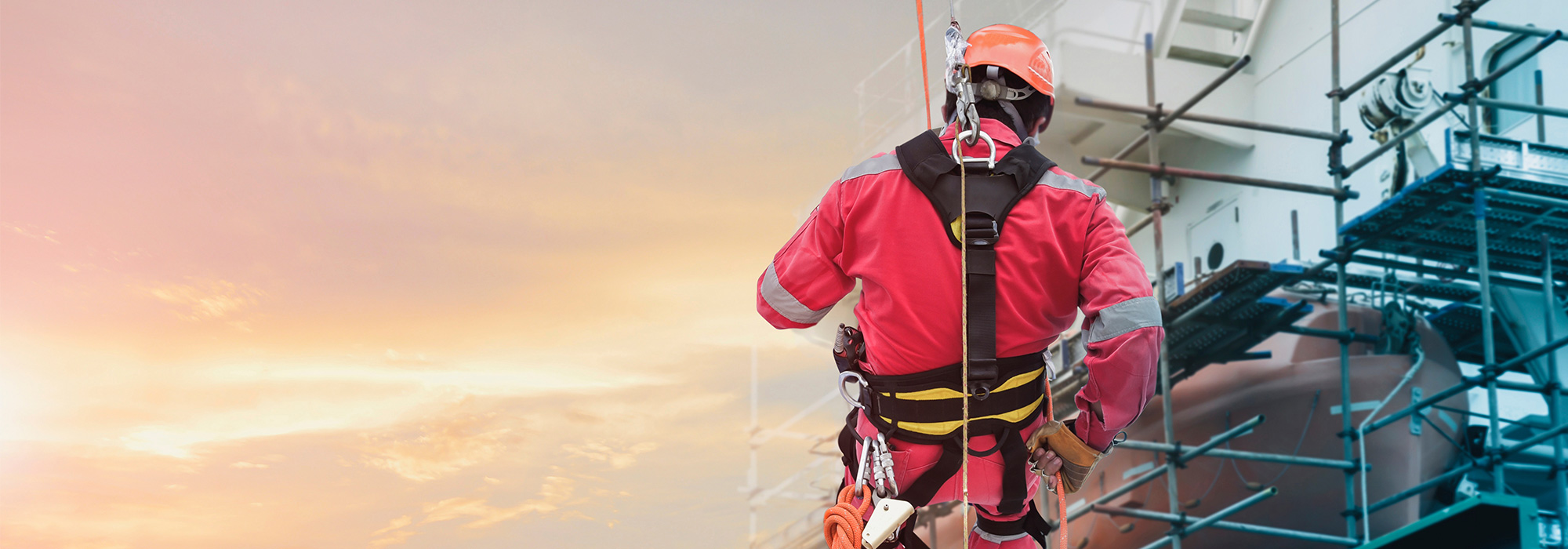
Rope access — also known as industrial climbing or commercial climbing — is a method of work positioning whereby trained technicians ascend, descend, or horizontally traverse ropes attached to secure anchor points to reach difficult-to-access locations on buildings or structures. :contentReference[oaicite:0]{index=0}
The system typically relies on a twin-rope setup: one rope serves as the working line (supporting the technician during work), and the second rope acts as a safety backup, providing fall protection in the unlikely event of failure. :contentReference[oaicite:1]{index=1}
Before work begins, a risk assessment and safe-work plan are developed — only then technicians rig the ropes and harnesses, ensuring compliance with industry safety standards. :contentReference[oaicite:2]{index=2}
Why Rope Access Services Are Ideal for London Projects
- Speed & Efficiency — Rope access teams can mobilise quickly and begin work with minimal setup time. No need to erect scaffolding over days or weeks. :contentReference[oaicite:3]{index=3}
- Cost-effectiveness — Reduced labour, equipment, and logistical costs make rope access often more budget-friendly than scaffolding or crane-based solutions. :contentReference[oaicite:4]{index=4}
- Minimal Disruption — Particularly valuable in busy London districts, rope access avoids blocking entrances, pavements or obstructing traffic — buildings can remain operational. :contentReference[oaicite:5]{index=5} \li>Versatility & Accessibility — Works on varied structures: high-rise facades, industrial installations, bridges, chimneys, towers, confined spaces, heritage buildings. :contentReference[oaicite:6]{index=6}
- Safety First — When performed by properly trained and certified technicians, rope access offers one of the safest methods for working at height worldwide. :contentReference[oaicite:7]{index=7}
Common Applications of Rope Access Services in London
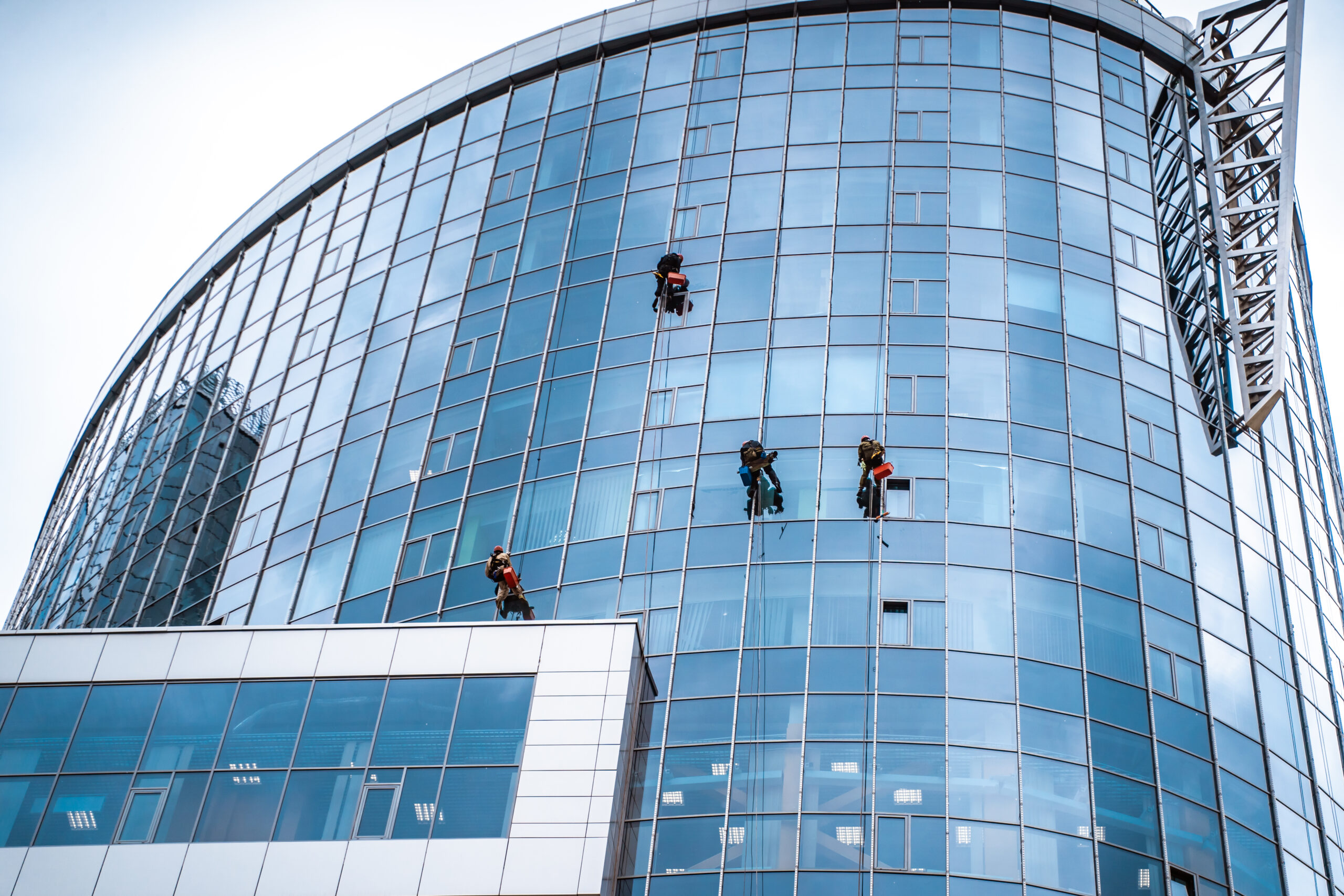
- High-rise window cleaning and façade maintenance
- Structural inspections, cladding, glazing and fire-safety inspections
- Painting, waterproofing, sealing and façade repairs
- Roof surveys, gutter cleaning and leak detection
- Industrial inspections — tanks, chimneys, towers, pipelines, silos
- Installation works: signage, banners, lighting, cameras, antennas
- Emergency rescue, maintenance on hard-to reach places, complex installations
Who Should Consider Hiring Rope Access Services in London
Building owners, property managers, facility maintenance teams, construction firms, industrial operators, heritage sites, architectural conservation projects — anyone needing safe, reliable access to elevated or hard-to-reach areas. If you value safety, efficiency, cost control, and minimal disruption, rope access services London could be the ideal choice.
Why Certification Matters: The Role of IRATA
The globally recognized standard for rope access is set by the organisation IRATA International — companies and technicians certified under its system abide by rigorous safety standards, training protocols and audit regimes. :contentReference[oaicite:8]{index=8}
IRATA-certified technicians complete structured training and progress through levels (Level 1 → Level 2 → Level 3), with each level requiring a combination of training, documented experience (logged working hours) and assessments. :contentReference[oaicite:9]{index=9}
Working with an IRATA-certified rope access provider ensures compliance with UK safety legislation, professional rigging standards, and reduces risks — crucial for high-value London properties or complex industrial sites.
Conclusion
For anyone managing buildings or infrastructure in London, rope access services London offer a modern, reliable, safe, and cost-effective alternative to traditional access methods. Whether you need maintenance, inspection, repair, or installation work at height — rope access delivers with flexibility, minimal disruption and peace of mind. If you’re ready to get a quote or discuss a project, collaborating with a certified, experienced rope access provider ensures top-quality results and compliance with the highest standards.
✅ Frequently Asked Questions (FAQ) — Rope Access Services London
Q: What exactly is rope access?
A: Rope access is an industrial method of working at height that uses ropes, harnesses and secure anchor points to allow technicians to ascend, descend, or traverse along structures — without scaffolding or aerial platforms.
Q: How does rope access ensure safety?
A: Safety is achieved via a “twin-rope” system: one rope is the working line, supporting the technician during work; the second is an independent safety line — backup protection against falls. Technicians are trained under strict international standards and before any job there is a documented risk assessment and safe work plan.
Q: Is rope access cheaper than scaffolding or cranes?
A: In many cases — yes. Because rope access requires less equipment, fewer personnel, minimal setup time and faster mobilization, it often leads to lower labour and logistical costs, reducing overall project expenses.
Q: What types of projects can be handled with rope access?
A: Rope access is highly versatile — suitable for window cleaning, façade repairs, structural and fire-safety inspections, painting, waterproofing, roof/gutter maintenance, industrial inspections (tanks, towers, pipelines), signage or antenna installation and many other tasks on high-rise buildings or hard-to-reach areas.
Q: Who qualifies to carry out rope access work?
A: Only trained and certified technicians — typically certified under IRATA International or equivalent — should perform rope access. Certification involves structured training, examinations, logging working hours, and regular re-certification to ensure competence.
Q: Can rope access be used on heritage or sensitive buildings in London?
A: Yes — one of the strengths of rope access is its minimal physical footprint compared to scaffolding or cranes, which makes it particularly suitable for heritage buildings, narrow streets or areas where environmental or architectural preservation is required. The method allows precise, non-invasive access while preserving surroundings.
Q: How quickly can rope access teams start work?
A: Much faster than traditional methods — rope access set-up is typically done within hours (depending on complexity), whereas scaffolding or crane setups can take days or even weeks. This rapid deployment reduces downtime and disruption.
Q: Is rope access environmentally friendly?
A: Compared to scaffolding or heavy machinery, rope access uses far less material and equipment, produces less waste, and reduces the need for large transport or vehicles on site — leading to a smaller environmental footprint.