

Rope Access Leak Detection & Waterproofing in London
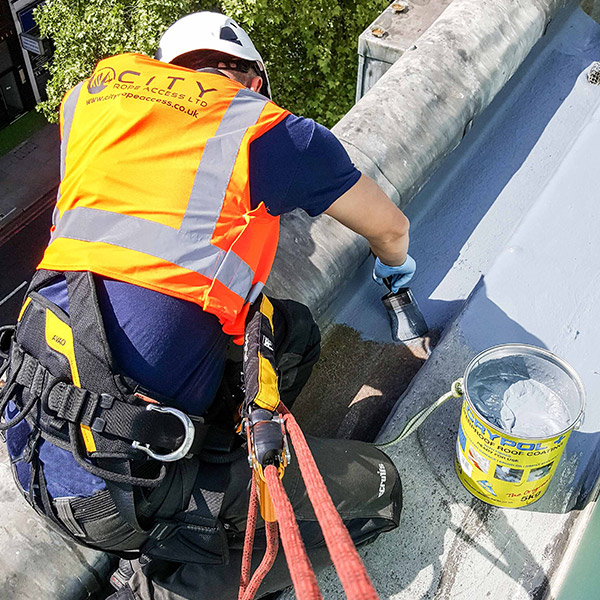
City Rope Access provides rope access leak detection and waterproofing repair services
for commercial, residential and high-rise buildings across London.
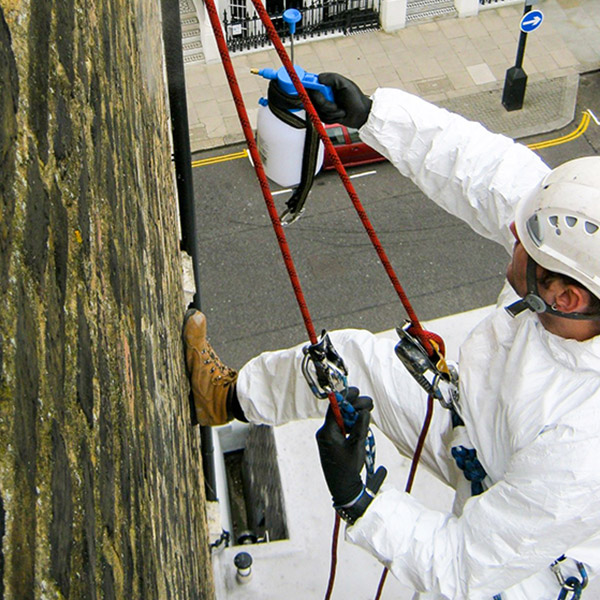
We investigate difficult-to-access external areas where rainwater may be entering
through the façade or surrounding building envelope.
Water ingress can originate from failed sealant joints, cracks in masonry,
parapet details, cladding interfaces, roof-level connections, damaged coatings
or drainage-related defects. The location where damp becomes visible inside
the property may not be the same place where water is entering externally.
Our approach focuses on identifying likely external entry points before remedial
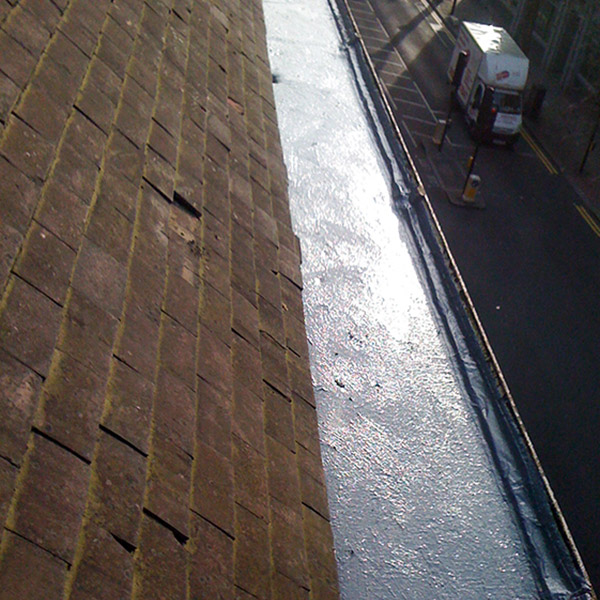
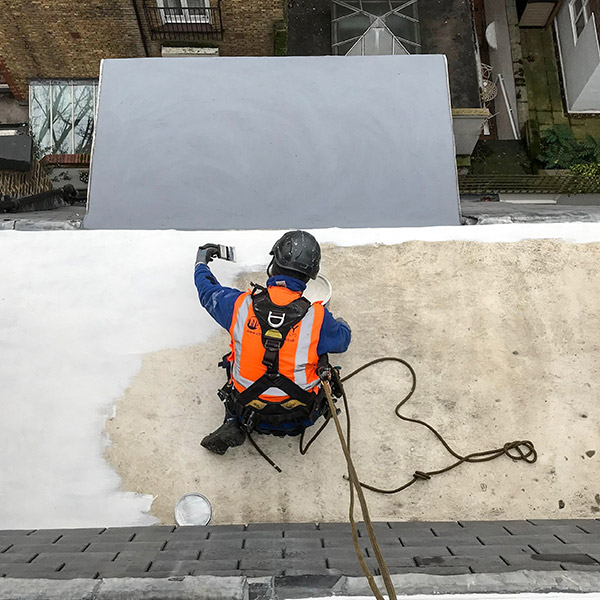
work is specified. Where a defect is confirmed, the required repair may involve
sealant replacement, localised waterproofing, masonry repair or another form
of façade maintenance depending on the cause.
Common Causes of Building Water Ingress
Different building defects can produce very similar internal symptoms.
These guides explain some of the most common areas worth investigating
when the source of a leak is not immediately obvious.
Wind-Driven Rain
Why some leaks only appear during heavy rain, strong wind or storms
affecting a particular elevation.
Failed Window Sealants
Cracked or detached perimeter sealants can create potential water
entry points around windows and façade joints.
Parapet Wall Defects
Parapets, coping details and upper-level masonry can allow moisture
into parts of the building far below the original defect.
Roof-Level Defects
Flashings, drainage, membranes, roof edges and penetrations can all
contribute to water ingress at the top of a building.
Common Sources of Water Ingress
Water entering a building can originate from several external defects.
The visible damp patch inside the property may be some distance from the
actual entry point, so the surrounding façade and roof-level details
should be considered as part of the investigation.
Failed Sealant Joints
Cracked, detached or deteriorated sealant around windows,
façade joints and cladding interfaces can provide a route
for rainwater to enter the building envelope.
Masonry Cracks
Cracks in brickwork, render, stone or mortar joints can allow
moisture to penetrate exposed sections of the façade.
Parapet Defects
Failed joints, cracking, damaged coping details or other defects
around parapet walls can contribute to water entering the upper
parts of the building.
Cladding Interfaces
Joints, panel interfaces and surrounding façade details may require
closer inspection where water ingress appears near clad elevations.
Roof-Level Details
Flashings, roof-to-wall interfaces and other high-level details
may allow water to track into adjoining parts of the building.
Damaged Coatings
Deteriorated external coatings or localised waterproofing defects
can expose underlying surfaces to repeated moisture penetration.
Why Leak Detection Should Come Before Repair
Water can travel behind finishes, within cavities and along structural
or façade elements before becoming visible inside the building.
This means sealing the area nearest to an internal damp patch does not
necessarily address the original entry point.
The surrounding external area should therefore be assessed before
remedial work is specified, particularly where leaks are recurring
or only appear during certain weather conditions.
Useful Information During Investigation
- Location of internal damp or staining
- Weather conditions when the leak appears
- Whether the issue occurs during wind-driven rain
- Previous repair attempts
- Nearby windows, joints or façade penetrations
- Roof, parapet or cladding details above the affected area
- Photographs of internal and external symptoms
How a Rope Access Leak Investigation Works
The investigation focuses on the external areas most likely to be
connected with the reported water ingress.
Review the Problem
We review the reported leak, visible symptoms and relevant
information about when the issue occurs.
Close-Up Inspection
Difficult-to-access external areas are inspected for visible
defects that may provide a route for water.
Identify Likely Entry Points
The condition of joints, masonry, parapets, interfaces and other
surrounding details is considered before repairs are proposed.
Remedial Work
Where a defect is identified, an appropriate repair can be
planned according to the affected building element.
Waterproofing & Leak Repair Options
There is no single repair method for every building leak.
The correct remedial work depends on where the water is entering
and which external component has failed.
Sealant Replacement
Failed external joints may require removal and replacement
where they have been identified as potential water entry points.
Masonry Repairs
Cracks, deteriorated pointing and damaged masonry may require
localised remedial work where they form part of the leak path.
Localised Waterproofing
Where appropriate, localised waterproofing or protective treatment
may form part of the remedial solution for an identified external defect.
Why Does a Building Leak Only During Heavy Rain?
Some leaks only become visible when rain is accompanied by strong wind
or when a particular elevation is exposed for a prolonged period.
Wind-driven rain can reach joints and façade details that may remain dry
during lighter rainfall.
Where leaks only occur during specific weather conditions,
information about wind direction, rainfall and the affected elevation
can be useful during investigation.
Leak Investigation for Commercial & Residential Buildings
Rope access can provide close external access on properties where
the suspected leak source is located on an upper floor or another
difficult-to-reach section of the building envelope.
Office Buildings
Apartment Developments
Hotels
High-Rise Buildings
Commercial Properties
Mixed-Use Buildings
Need Help Finding the Source of a Building Leak?
Send us photographs of the internal symptoms, details of when the leak occurs
and any information about the affected elevation or external area.
Our team can review the access requirements and determine whether rope access
is suitable for the investigation.
GET IN TOUCH
Contact us today for quick consultation
We’d love to hear from you! For any questions, to request a quote, or to schedule a consultation, please get in touch with us. Contact City Rope Access via phone, email, or through our online contact us form. Our friendly team is here to assist you and provide the support you need. Reach out today and experience the exceptional service that sets us apart.